Feeling overwhelmed by the idea of retrofitting your home in one go?
Let’s break it down.
In most cases, home retrofit is a medium to long-term plan. A plan that evolves, adjusts, and meets the changing needs of a household.
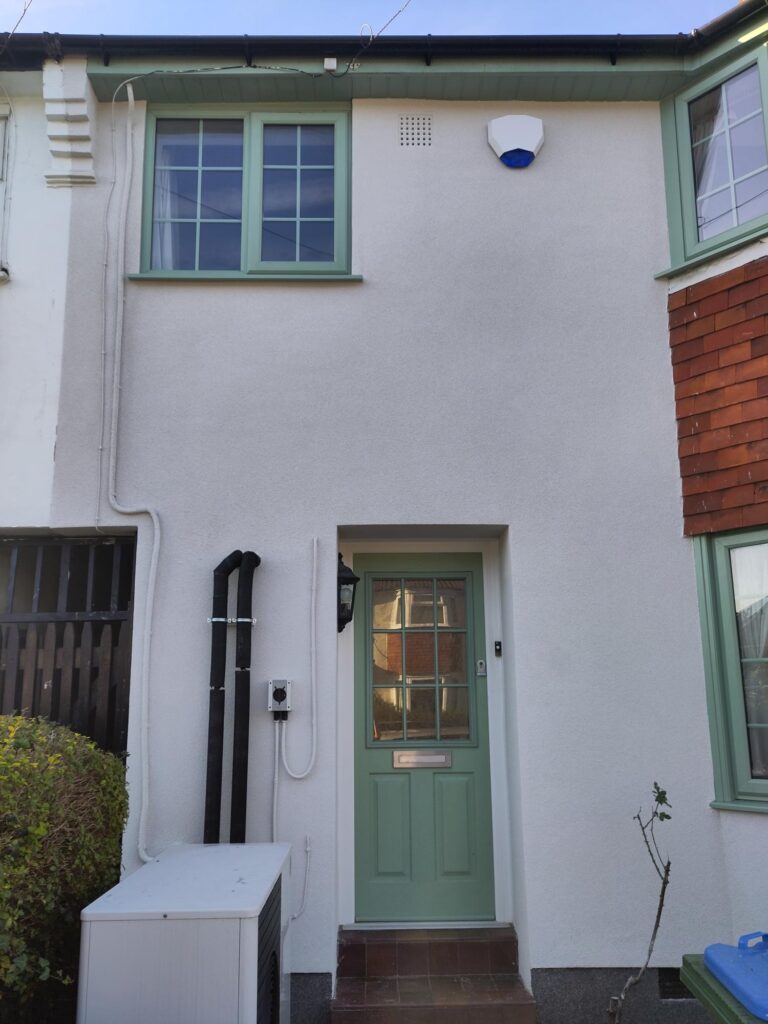
Take this 1920s terraced house for example. In 2014, it had patchy, ineffective cavity wall insulation, ageing and draughty double glazing and an old boiler. It also had unwelcome problems with damp. Its EPC rating was D.
On the plus side, it had good loft insulation. Its 200mm thickness – although below the current recommended amount - was considered one of the home’s best energy efficiency measures.
The owner needed a plan that would work both financially and in practice.
Over the next six years, the property had a new gas boiler, cavity wall insulation, windows, and an energy efficient front door. By 2020, the house had an estimated EPC rating of C.
Fast-forward another six years, and the property now benefits from underfloor insulation, solar panels, battery and an air source heat pump. It has an EPC rating of B.
All these upgrades took time; 12 years in fact.
As and when the homeowner was ready.
“At first, I needed quick and easy ways to stop the draughts making my home feel cold. As time went on, I became more interested in protecting myself from energy uncertainty. Then, along with speaking to others who had switched to a heat pump, My Home Made Better helped me make some of my most recent decisions.
“My home is now all-electric; it feels great knowing I’m not using gas at all.”
The property’s annual carbon emissions have dropped from 3.6 tonnes to 0.3, and the estimated energy need has dropped from 241 kWh per square meter to just 37. Estimated cost of works: £25k.
If the idea of retrofitting your home feels daunting or impossible, remember it’s OK (and sensible!) to approach the task one step at a time. Very few circumstances lend themselves to tackling a project in one go while managing daily life – including living in the property while the work is happening!
A My Home Made Better consultation comes with step-by-step recommendations that remove the overwhelm and pressure of doing everything at once.
We’re here to help.